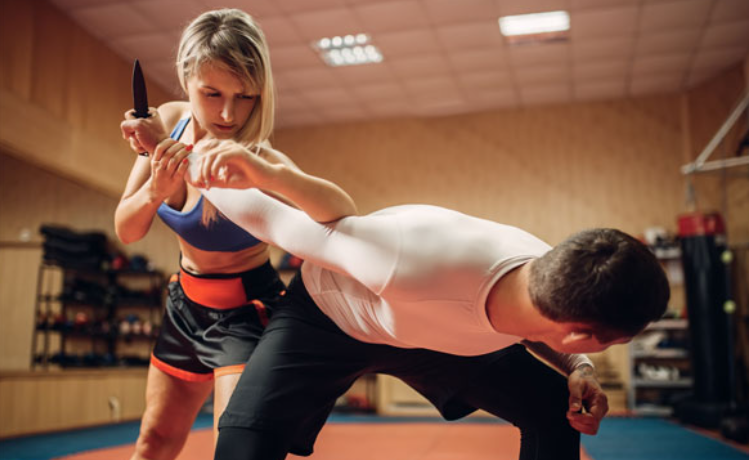

Self-defense is often associated with physical techniques such as blocks, strikes, escapes, or defensive movements. However, effective personal safety begins long before a physical confrontation takes place. Learning how to recognize potential problems, remain calm, communicate clearly, and create distance can help people avoid situations from becoming dangerous.
This is why self defense lessons should include more than physical training. Situational awareness and de-escalation are important foundations that can help students make better decisions when faced with uncertainty or conflict.
The goal of self-defense is not to encourage confrontation. Instead, responsible training focuses on prevention, awareness, avoidance, and knowing when physical skills may become necessary as a last resort.
What Is Situational Awareness?
Situational awareness means paying attention to what is happening around you and recognizing when something changes.
It does not mean constantly expecting danger or becoming suspicious of everyone. Instead, it is about being present and noticing useful details in your surroundings.
For example, when entering an unfamiliar location, you might naturally become aware of:
- Where the exits are
- Who is around you
- Whether the area is crowded or isolated
- Changes in people’s behavior
- Places where you could seek assistance
- Potential obstacles that could affect your movement
These simple habits can help you make decisions earlier rather than waiting until a situation becomes serious.
Why Awareness Should Come Before Physical Techniques
Physical techniques are useful skills to learn, but they may not always be the first or safest response.
If someone notices a potentially uncomfortable situation early, they may have several options available. They can change direction, leave the area, contact someone they trust, move toward other people, or communicate a clear boundary.
Once a situation becomes physical, those options may become more limited.
This is why good self defense lessons often place emphasis on prevention. Students can learn to think about what is happening before automatically reacting to it.
A practical self-defense mindset can follow a simple progression:
- Notice what is happening.
- Assess whether the situation is becoming unsafe.
- Avoid or leave when possible.
- Use calm communication if appropriate.
- Create distance and seek help.
- Use physical defensive skills only when necessary and appropriate.
Recognizing Early Warning Signs
Not every unusual behavior means that someone intends to cause harm. However, recognizing changes in behavior can help people make more informed decisions.
Possible warning signs may include increasingly aggressive language, repeated attempts to invade personal space, threatening gestures, or behavior that becomes more unpredictable.
The important point is to consider the entire situation rather than judging someone based only on appearance.
Students can learn to ask themselves:
- Has the person’s behavior changed?
- Is the situation becoming more aggressive?
- Do I have a safe way to leave?
- Can I create more distance?
- Should I contact someone for help?
Learning to notice these details can make situational awareness more practical and less intimidating.
De-Escalation Helps Prevent Unnecessary Conflict
De-escalation means taking steps to reduce tension instead of allowing a disagreement to become more serious.
A person cannot always control another individual’s behavior, but they can control their own response. Staying calm, avoiding insults, and giving someone appropriate personal space can sometimes prevent an argument from becoming physical.
Effective de-escalation may involve:
- Speaking in a calm and controlled voice
- Avoiding unnecessary arguments
- Maintaining reasonable distance
- Using simple and clear language
- Avoiding threatening gestures
- Ending the conversation when appropriate
- Moving toward a safer location
The objective is not to win an argument. The objective is to reduce risk and create an opportunity to leave safely.
The Importance of Body Language
Communication is not limited to words. Body language can also influence how an interaction develops.
Standing too close, pointing aggressively, making threatening gestures, or intentionally blocking someone’s movement can increase tension. On the other hand, maintaining appropriate space and controlled movements can help communicate that you are not looking for a confrontation.
In self-defense training, students can practice neutral and confident body positioning that allows them to remain aware and mobile without unnecessarily appearing aggressive.
This can be especially useful when combined with clear verbal boundaries.
Learning to Set Personal Boundaries
A strong self-defense program should help students become comfortable communicating boundaries.
Someone who feels uncomfortable does not always need to explain themselves at length. A short, clear statement can sometimes communicate a boundary effectively.
Examples include:
- “Please step back.”
- “I don’t want to continue this conversation.”
- “Stop.”
- “I need some space.”
- “I’m leaving now.”
- “I need help.”
The exact words may depend on the situation. The important lesson is understanding that a person can communicate discomfort and choose to leave without feeling obligated to continue an argument.
Staying Calm Under Pressure
Stress can affect decision-making. When people feel frightened, angry, or overwhelmed, they may react quickly without considering all available options.
Self-defense training can provide controlled opportunities to practice staying focused during stressful scenarios.
Students may learn to:
- Control their breathing
- Maintain awareness of their surroundings
- Think before reacting
- Focus on an exit or escape option
- Communicate clearly
- Avoid unnecessary confrontation
Repeated practice can make safety concepts easier to remember when a person encounters an unexpected situation.
Why Distance and Position Matter
Creating distance can provide valuable time to make decisions. If a situation feels unsafe, moving toward an exit, public area, or trusted person may be preferable to remaining close to the source of the conflict.
Positioning also matters because people should avoid unnecessarily placing themselves in confined or difficult-to-exit spaces when a situation is escalating.
Self defense lessons can introduce these concepts through controlled exercises, helping students understand how movement, distance, and surroundings affect personal safety.
When Physical Techniques Become Necessary
Physical techniques should generally be treated as a last-resort part of personal safety training rather than the first response to every conflict.
If avoidance and de-escalation are no longer possible and someone faces an immediate physical threat, appropriate defensive skills may help create an opportunity to escape.
Training can introduce fundamentals such as:
- Protective movement
- Balance and positioning
- Escaping common holds
- Basic defensive movements
- Safe falling techniques
- Creating an opportunity to disengage
The focus should remain on getting away from danger rather than continuing a confrontation.
Students should also understand that laws concerning self-defense and reasonable force can vary by location. Responsible instruction should encourage awareness of those legal and ethical boundaries.
What to Look for in Self-Defense Training
Not every class approaches self-defense in the same way. When choosing a program, students and parents can consider whether the curriculum includes both physical and non-physical safety skills.
A well-rounded program may cover:
- Situational awareness
- Threat recognition
- Verbal communication
- De-escalation
- Boundary setting
- Escape and avoidance
- Physical defensive techniques
- Scenario-based practice
- Confidence and emotional control
An instructor should also emphasize safety during practice. Students should be able to learn and improve without being encouraged to take unnecessary risks.
Turning Training Into Everyday Habits
Self-defense skills become more useful when they become practical habits rather than information that is only remembered during class.
Simple habits can include paying attention when walking through unfamiliar places, keeping distractions under control when awareness is important, knowing where to seek assistance, and communicating boundaries when necessary.
Students can also practice thinking through everyday scenarios:
What if someone is following me?
Consider moving toward a populated location and contacting someone for assistance.
What if an argument starts becoming aggressive?
Create distance, avoid provoking the situation, and leave when possible.
What if I feel uncomfortable in an unfamiliar place?
Trust reasonable warning signs and move toward a safer environment.
Scenario-based thinking can help students become more comfortable making decisions without assuming that every situation will become dangerous.
Confidence Comes From Preparation
Self-defense training should not make people feel afraid of the world. Instead, it can help them feel more prepared to handle unexpected situations.
Confidence can come from knowing:
- How to recognize potential problems
- How to communicate clearly
- How to leave an uncomfortable situation
- How to seek assistance
- How to protect personal space
- What physical options are available as a last resort
This type of confidence is different from believing that you can defeat anyone. It is based on awareness, preparation, and responsible decision-making.
Conclusion
Situational awareness and de-escalation are essential parts of a complete approach to self-defense. Before learning advanced physical techniques, students can benefit from understanding how to recognize warning signs, manage their own reactions, communicate boundaries, create distance, and leave unsafe situations.
Quality self defense lessons should therefore teach more than fighting skills. They should help students develop awareness, confidence, communication, and practical decision-making.
When prevention comes first and physical techniques are treated as a last resort, self-defense training becomes a broader life skill—one that encourages people to stay alert, remain calm, and make safer choices when facing difficult situations.


 By
By



 By
By