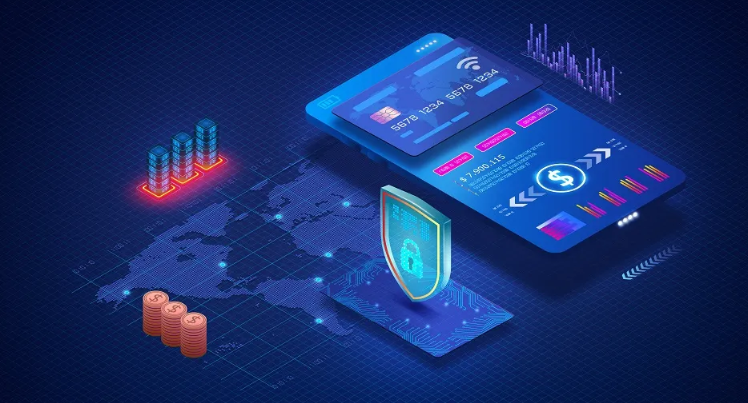

E-commerce technology serves as the backbone of online trading, integrating systems that enable secure transactions and enhance user experiences. By employing payment gateways, streamlined checkouts, and robust security protocols, it reshapes consumer interactions with retail. This technological evolution not only fosters trust but also transforms shopping habits. As e-commerce continues to advance, understanding its key components and implications becomes essential for businesses aiming to thrive in an increasingly digital marketplace. What lies ahead in this dynamic landscape?
Understanding E-Commerce Technology
E-commerce technology encompasses a diverse array of tools and platforms that facilitate online transactions, transforming the way businesses and consumers interact in the digital marketplace.
Payment gateways play a crucial role in ensuring secure transactions, enhancing user experience by streamlining the checkout process.
As businesses leverage these technologies, they empower customers with more freedom, ultimately fostering trust and loyalty within the evolving e-commerce landscape.
See also: sv388macrovip805
Key Components of E-Commerce Systems
The infrastructure of e-commerce systems is built upon several key components that collectively enable seamless online transactions and interactions.
Central to this framework are payment gateways, which facilitate secure financial exchanges, and robust online security measures that protect sensitive customer data.
Together, these elements not only enhance user trust but also empower businesses to operate effectively in a competitive digital marketplace.
The Impact of Mobile Commerce
How has the rise of mobile commerce transformed the landscape of online shopping?
Mobile commerce has revolutionized consumer behavior by integrating mobile payment systems and shopping apps, enabling seamless transactions. This accessibility empowers users, granting them the freedom to shop anytime and anywhere.
As a result, businesses must adapt to this shift, optimizing their platforms for mobile use to remain competitive in a dynamic marketplace.
Future Trends in E-Commerce Technology
As technological advancements continue to reshape consumer expectations, emerging trends in e-commerce technology are set to redefine the online shopping experience.
Artificial intelligence will enhance personalization and customer engagement, while blockchain integration promises increased security and transparency in transactions.
These innovations empower consumers with greater control, fostering a liberated shopping environment that prioritizes trust and efficiency in online commerce.
Conclusion
In conclusion, e-commerce technology serves as the backbone of modern retail, akin to the nervous system that coordinates responses in a living organism. By integrating payment gateways, streamlined checkout processes, and robust security measures, it not only enhances user experience but also fosters customer trust. As this technology continues to evolve, it will undoubtedly shape the future of business operations, making it imperative for companies to adapt and innovate in an increasingly digital marketplace.


 By
By


 By
By